
Acoustic Design project for buildings: what is it and when is it needed?
The acoustic quality of a space influences how we communicate, work, learn or enjoy a performance, in short, how we live. A classroom where the teacher’s voice cannot be understood, an excessively noisy restaurant or a home where everything happening in the neighbouring unit can be heard (and sometimes understood) are examples of situations where acoustics shape the experience of users.
The Acoustic Design project (also referred to as the acoustic project, the acoustic conditioning project or the Acoustics project) is one of the engineering specialities required for the construction of a building. Its purpose is to ensure that the building’s acoustic performance meets the applicable regulatory requirements and the needs of its intended use, which often go beyond the legal framework.

This legal framework is set out in several Portuguese diplomas, the most relevant being the General Noise Regulation (Regulamento Geral do Ruído, Decree-Law no. 9/2007 of 17 January) and, in particular, the Regulation on the Acoustic Requirements of Buildings (Regulamento dos Requisitos Acústicos dos Edifícios, approved by Decree-Law no. 96/2008 of 9 June), which details the acoustic criteria for a variety of building types. More recently, Ordinance no. 255/2023 of 7 August (Portaria n.º 255/2023) clarified the mandatory content of building projects, including the Acoustics project, and in 2026 Ordinance no. 320/2026/1 of 31 July (Portaria n.º 320/2026/1) was approved under the Legal Framework for Urban Development and Building (Regime Jurídico da Urbanização e da Edificação, RJUE), setting out the different types of Acoustics studies and projects required for urban planning control.
Well beyond legal compliance, an Acoustic Design project makes it possible to develop solutions that contribute to the comfort, functionality and value of buildings, addressing aspects such as sound insulation, the acoustic treatment of interior spaces and the control of noise from technical equipment.
At InAcoustics we develop Acoustic Design projects for buildings of every type, from housing and school buildings to theatres, concert halls, hotels, hospitals, office buildings and other developments of varying complexity.
What does an Acoustic Design project include?
Within an Acoustic Design project, three types of intervention can be technically distinguished, and they are often developed together:
- Sound insulation, which aims to reduce the transmission of sound between different spaces, whether between units within a building or between the building and the outside. This includes the insulation of noise transmitted through the building’s structure.
- Internal acoustic treatment, which addresses the sound quality inside a space, controlling phenomena such as reverberation, sound reflections and speech intelligibility.
- Noise control, which reduces the noise levels produced by mechanical, hydraulic or electrical equipment, both inside the building and in the surrounding environment. This part of the project includes the control of equipment vibrations, which are often responsible for the noise detected inside spaces.
Each space has its own requirements: the ideal acoustics for a concert hall differ from those needed in a classroom, a restaurant, an office or a home, and a project may require more work in one area than in another, depending on the type of building and the objectives set.
Why is it important?
An Acoustic Design project helps to:
- Ensure compliance with the applicable legal requirements;
- Improve speech intelligibility;
- Provide greater acoustic comfort for users;
- Enhance the sound quality of spaces intended for music or the performing arts;
- Reduce excessive reverberation and noise transmitted between spaces;
- Create more comfortable environments for working, learning or socialising.
When integrated from the early stages of the architectural design, it delivers better technical results and avoids costly corrective work once construction is complete.
When is an Acoustic Design project needed?
An Acoustic Design project is carried out for new buildings and for rehabilitation works, both to ensure compliance with the applicable regulatory requirements and to meet specific objectives set by the client, such as achieving higher levels of acoustic comfort and performance.
In practice, an Acoustic Design project can be applied to any building, including industrial buildings and road and rail traffic infrastructure. Wherever there is sound, it is important to assess its impact, positive or negative, and to determine whether it needs to be controlled or enhanced.
How is an Acoustic Design project developed?
Ideally, an Acoustic Design project should cover the preparation of a building’s Base Programme (Programa Base), which defines, among other aspects, its objectives and functions. In most cases, however, each project starts with an analysis of the architecture, the intended use of the different spaces and the applicable requirements.
Whenever necessary, studies, calculations and simulations are carried out to assess the acoustic behaviour of the building and define the most suitable solutions, balancing acoustic performance, architecture, functionality and constructability.
The project is developed in close coordination with the other design disciplines, ensuring that the proposed solutions are properly integrated.
Applications in different types of buildings
InAcoustics develops Acoustic Design projects for buildings of different types, including:
- Single-family and multi-family housing;
- Schools, universities and libraries;
- Airports, railway and road transport infrastructure;
- Hotels and tourism developments;
- Restaurants and commercial spaces;
- Offices and service buildings;
- Hospitals and healthcare facilities;
- Auditoriums, theatres and concert halls;
- Museums, churches and other cultural facilities.
Regardless of the size or use of the building, each project is developed according to the applicable technical, regulatory and functional requirements.
Experience in projects of different scales
Over more than two decades, InAcoustics has developed Acoustic Design projects for buildings with different uses and levels of complexity, from housing and service buildings to some of the most emblematic cultural venues in Portugal and abroad.
Teatro Nacional de São Carlos / Architecture by João Mendes Ribeiro and Atelier 15
Acoustic Design project developed as part of the rehabilitation of one of Portugal’s most emblematic opera houses, located in Lisbon.


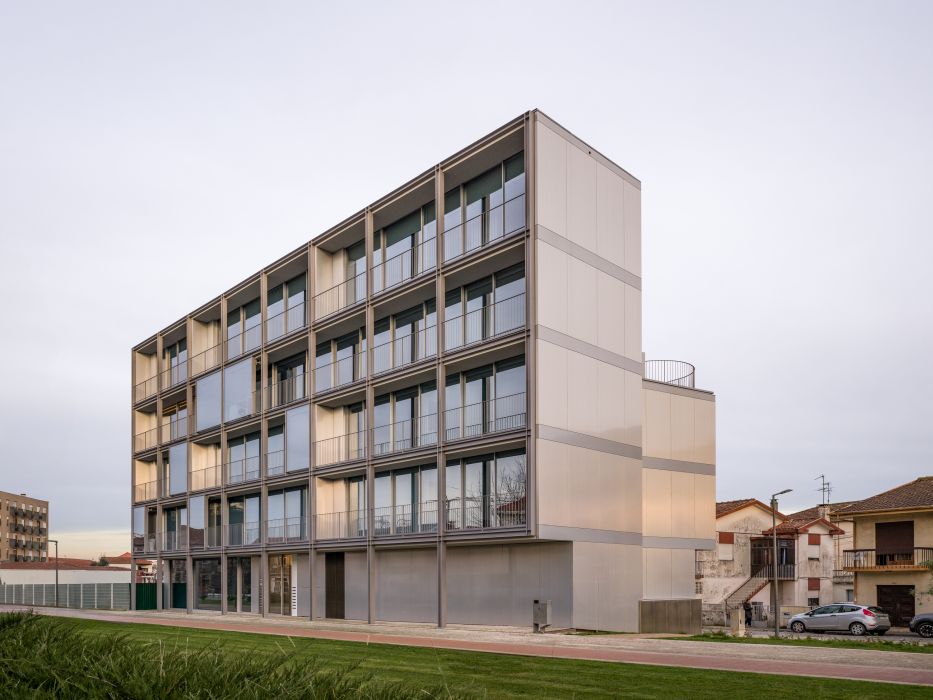
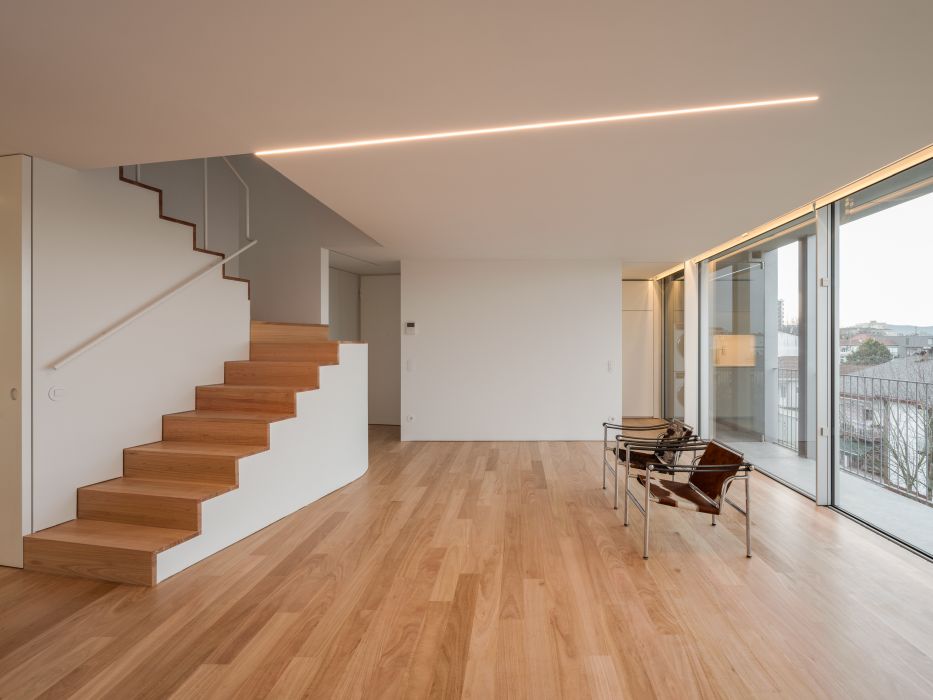
Edifício HS / Architecture by NOARQ
Acoustic Design project developed for a multi-family residential building in Trofa.
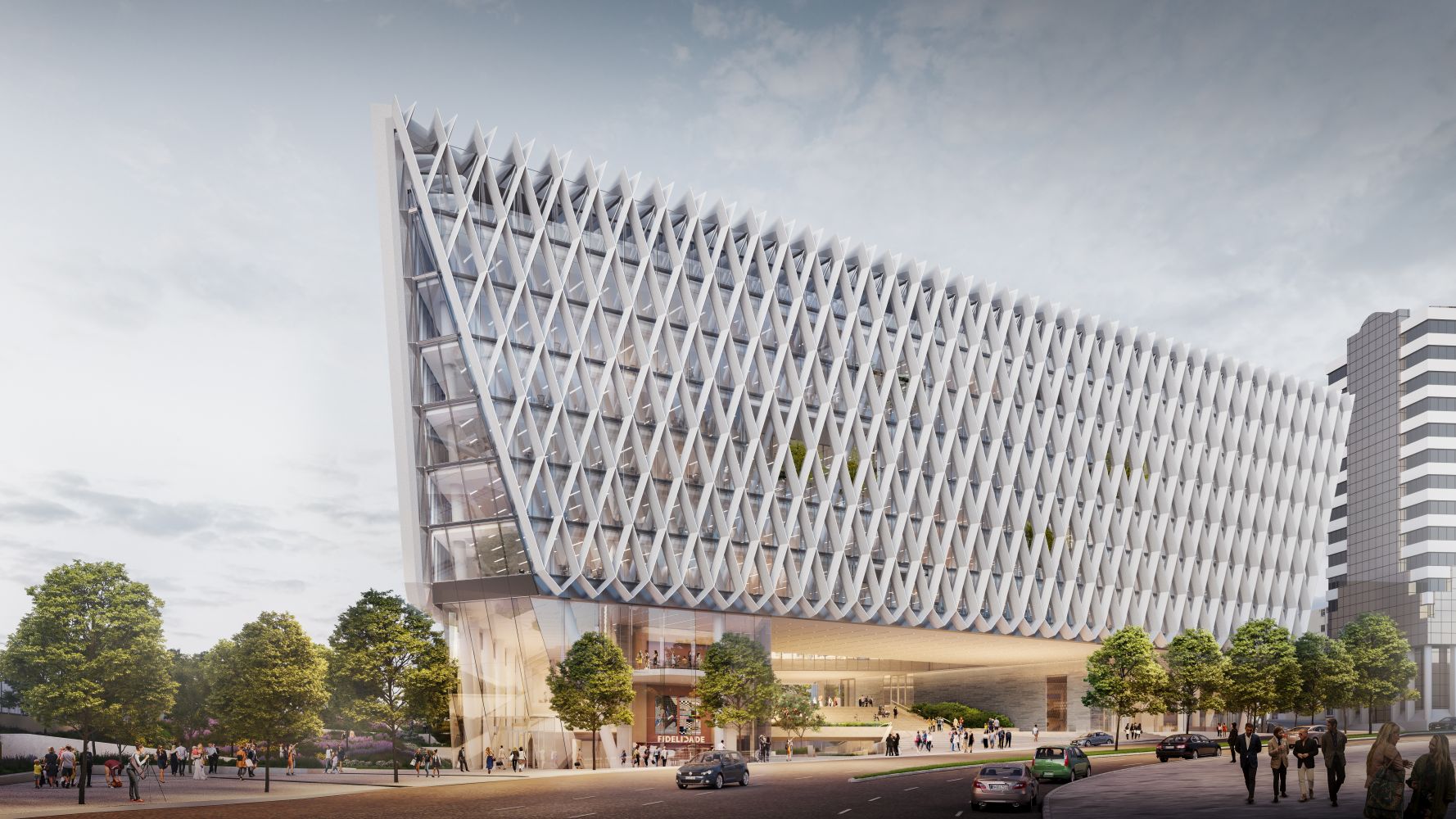
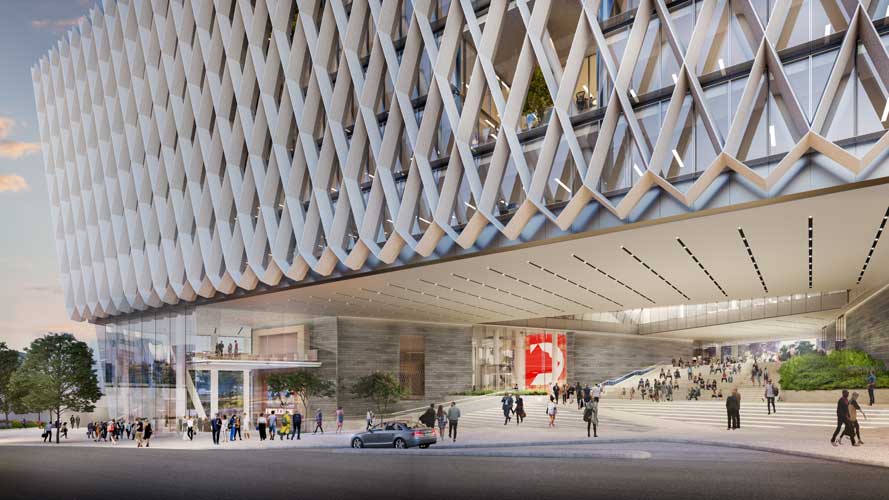
Grupo Fidelidade Headquarters
Acoustic Design project for the Grupo Fidelidade Headquarters building, in Entrecampos, Lisbon.
An integrated approach
Every building presents its own challenges, so there are no universal solutions in Acoustics.
InAcoustics’ experience allows us to develop Acoustic Design projects tailored to the characteristics of each development, reconciling regulatory requirements, the client’s objectives and the specific needs of use.
Whether you are planning a new building, rehabilitating an existing space or aiming for high standards of acoustic performance, the InAcoustics team has the technical experience to support every stage of the project.
Request a proposal
Contact us to request a proposal for the Acoustic Design project of your building.